Number of Missing Teeth
Replacing one tooth usually requires a different treatment plan than replacing several teeth or an entire arch.
The cost of dental implant treatment depends on your individual needs, the number of teeth being replaced, the type of restoration, your oral health, and the procedures required to create a stable long-term result.
Dental implant treatment is customized. Replacing one missing tooth is different from replacing several teeth or restoring an entire arch. The implant, supporting components, final restoration, preparation, and treatment sequence can all vary.
A patient with healthy gums and adequate bone may have different needs from someone who requires extraction, bone treatment, or a more complex full-mouth restoration.
A meaningful estimate begins with a clinical evaluation.
The dentist must understand what is being replaced, what support is available, and which restoration is appropriate before the complete treatment cost can be explained.
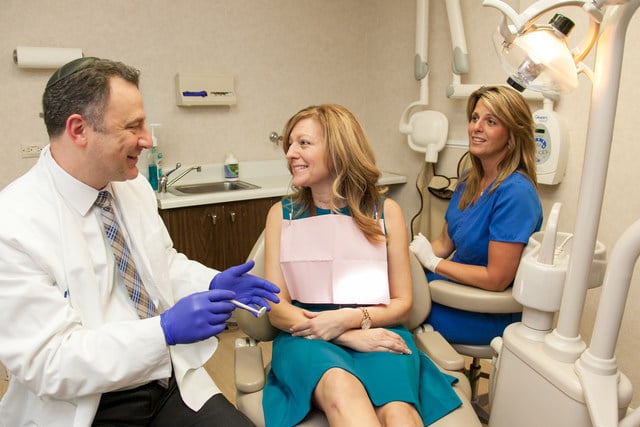
The total investment depends on the clinical and restorative components included in the treatment plan.
Replacing one tooth usually requires a different treatment plan than replacing several teeth or an entire arch.
Some restorations use one implant, while bridges or full-mouth restorations may require multiple implants.
The final restoration may be an implant crown, implant-supported bridge, or larger implant-supported prosthesis.
The available bone is evaluated to determine whether implant placement is appropriate or whether additional preparation may be needed.
Active gum problems, decay, infection, or failing teeth may need to be addressed before or during implant treatment.
If damaged or failing teeth must be removed, the extractions and associated treatment may become part of the overall plan.
Anatomy, bite relationships, existing dentistry, healing, and the desired final result may affect the complexity of care.
The restoration design, selected materials, components, and laboratory process can influence the total treatment cost.
Implant treatment may include surgical, healing, temporary, and final restorative phases.
The scope of treatment is one of the most important influences on cost.
A single-tooth treatment plan may include one implant, implant-related components, and a final implant crown.
Several teeth may be replaced with individual implants, an implant-supported bridge, or another restoration based on the condition of the mouth.
Full-mouth treatment may involve multiple implants, extractions, temporary restorations, healing, laboratory work, and a final full-arch restoration.
Some patients are ready for implant placement without extensive preparation. Others may require treatment to improve the health or stability of the implant area.
The need for additional treatment cannot be determined from a general price list. It requires an examination of the teeth, gums, bone, anatomy, and existing dental work.
When additional procedures are recommended, the dentist should explain why they are needed and how they fit into the treatment sequence.
Cost is important, but a treatment decision should also consider function, stability, maintenance, comfort, expected longevity, and the patient's individual goals.
Many implant-supported restorations are designed to remain in place rather than being removed daily by the patient.
Implant-supported treatment may improve stability during eating, depending on the final restoration and clinical result.
The final restoration is planned to restore missing teeth while considering shape, color, appearance, and function.
Implants are generally selected as part of a long-term approach, though ongoing care and maintenance remain necessary.
Implant restorations require daily cleaning, regular dental care, gum monitoring, and attention to the surrounding tissues.
The value of treatment depends on whether it meets the patient's health, comfort, function, appearance, and lifestyle priorities.
Patients researching implant cost often compare implants with removable dentures. Dentures may have a lower initial cost in some cases, while implant-supported treatment may involve a larger initial investment.
The comparison should not be based on the starting cost alone. Stability, cleaning, repair, adjustment, replacement, bone support, comfort, and treatment goals may all matter.
A patient may decide that a removable solution is appropriate, while another may prioritize a fixed or implant-supported option.
Ask how each option functions, what maintenance it requires, what future replacement may involve, and whether it fits your clinical needs.
An accurate estimate begins with a consultation. The dentist must understand the condition of your mouth and the specific treatment needed before a meaningful cost can be determined.
During the visit, the dentist can explain the proposed treatment stages, the type of restoration being considered, possible preparation, and the factors that influence the complete plan.
Patients should have an opportunity to ask what is included, what may change the plan, and what maintenance may be expected after treatment.
When reviewing a dental implant estimate, it can help to understand the full treatment scope rather than focusing only on one part of the process.
Confirm whether the plan replaces one tooth, several teeth, or a complete arch.
Ask whether the final restoration will be a crown, bridge, or larger implant-supported prosthesis.
Find out whether extraction, gum treatment, bone preparation, or another procedure is part of the proposed care.
Some treatment plans may include a temporary restoration during healing or while the final restoration is being completed.
Ask how surgical, healing, restorative, and follow-up stages fit together.
Understand the recommended cleaning, professional care, and long-term monitoring after treatment.
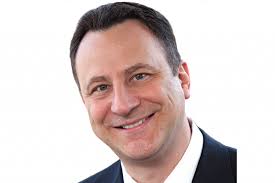
Dr. Jody Bardash is one of the lead clinicians at Dental Professionals of Fair Lawn, a family and cosmetic dentistry practice in Fair Lawn, New Jersey.
With more than 30 years of experience, Dr. Bardash is dedicated to providing caring, high-quality dental services for patients throughout the Fair Lawn community.
Patients considering dental implants can receive an individualized evaluation and a clear explanation of the treatment factors that may influence cost, timing, maintenance, and long-term planning.
Dental implant treatment can involve several decisions. Patients should understand what is recommended, why it is recommended, and how the individual parts of the plan contribute to the final result.
Dental Professionals of Fair Lawn helps patients review their options so they can consider treatment needs, function, appearance, maintenance, timing, and cost together.
Learn how dental implants may replace one or more missing teeth and support a planned restoration.
Learn More →Review treatment options that may be considered when one or more teeth are missing.
Learn More →Find answers to common questions about candidacy, healing, treatment, and maintenance.
Learn More →Compare implant-supported treatment with removable denture options.
Learn More →Learn about longevity, maintenance, and the factors that may influence long-term outcomes.
Learn More →Review common factors considered when evaluating dental implant candidacy.
Learn More →Learn about implant treatment designed to replace many missing or failing teeth.
Learn More →Explore implant-focused evaluation and treatment planning in Fair Lawn.
Learn More →Learn more about Dr. Jody Bardash and his approach to implant and comprehensive dentistry.
Learn More →Review implant information for patients searching in and around the Ridgewood area.
Learn More →Explore broader information about dental implant treatment in New Jersey.
Learn More →Return to this guide explaining the factors that may influence implant treatment cost.
View This Page →These answers provide general educational information. A personal examination is required before an individualized treatment plan or cost estimate can be provided.
The cost varies according to the number of missing teeth, number of implants, type of restoration, oral health, bone support, preparation, materials, laboratory work, and treatment complexity. A consultation is needed for an individualized estimate.
Each patient has different anatomy, restorative needs, oral health, bone support, medical considerations, and treatment goals. These differences affect the procedures and materials included in the final plan.
Replacing one tooth generally involves a different treatment scope than replacing several teeth or an entire arch. The total cost depends on the implant number, restoration design, and supporting procedures required.
When bone-related preparation is needed, it may become an additional part of the treatment plan. The need for this treatment can only be determined after evaluating the implant area.
Dental implants may involve a higher initial investment than removable dentures. The comparison should also consider stability, maintenance, adjustment, replacement, treatment requirements, and long-term goals.
Yes. Full-mouth treatment is different from replacing one tooth. The cost may be influenced by the number of implants, restoration design, treatment of remaining teeth, preparation, temporary teeth, materials, laboratory work, and treatment stages.
An implant treatment plan may include several components, including the implant, connecting components, and final restoration. Patients should ask what is included in their individualized estimate.
Yes. The dentist must evaluate the missing teeth, gums, bone support, remaining teeth, bite, medical history, and desired restoration before providing a meaningful estimate.
Dental implants and restorations require ongoing care and may need maintenance over time. Regular dental visits, hygiene, monitoring, and possible future restorative care should be considered.
Ask what teeth are being replaced, how many implants are planned, what restoration will be used, whether preparation or temporary teeth are included, how many treatment stages are expected, and what long-term maintenance is recommended.
If you are considering dental implants in Fair Lawn, NJ, schedule a consultation with Dental Professionals of Fair Lawn to learn which treatment factors may affect your individual plan and cost.